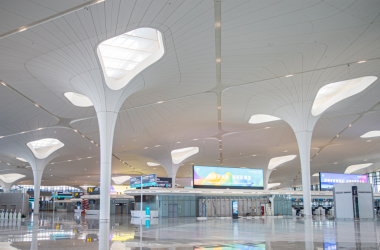
Hangzhou is well connected by air, high-speed rail, and metro. For most visitors, the key is to decide your first transfer before arrival and keep a backup plan for payment, luggage, and late-night timing.
Arriving at Xiaoshan International Airport
Hangzhou Xiaoshan International Airport is the city's main airport. The official airport site lists ground transport services including airport coach options from the Ground Transportation Center. Airport transport details can change, so check the airport's official pages before relying on a late-night bus or a specific coach route.
Metro basics
Hangzhou Metro is useful for reaching downtown areas, railway stations, and many city districts. The official Hangzhou tourism site includes a metro overview for visitors. For scenic sightseeing, metro usually gets you close to the right district, then you may still need to walk, take a taxi, or use ride-hailing for the final stretch.
Getting to West Lake
West Lake is large, so choose the station or drop-off point based on the lake section you want. If your hotel is near the lake, confirm the nearest entrance or road name with the hotel before arrival. For first-time visitors with luggage, a taxi or ride-hailing transfer may be easier than changing metro lines and walking.
Railway station planning
Hangzhou has major railway connections, including high-speed rail services. When booking trains, check the exact station name carefully because different stations can be far apart. Leave extra time for security checks, station walking distances, and traffic if you are connecting from a scenic area.
Payment for transport
Prepare at least two payment methods. Mobile payment is very useful in China, but transport apps, ticket machines, taxis, or card issuers can still create friction. Keep a small amount of RMB cash and an international bank card as backup.
Luggage and rush-hour advice
Avoid moving large luggage through crowded stations during peak commute periods if you can. If you arrive tired, late, or with several bags, paying for a direct taxi or ride-hailing trip may be worth it. Use official taxi ranks at transport hubs and avoid unsolicited ride offers.
Arrival checklist
- Save your hotel name, address, and phone number in English and Chinese.
- Check your first-choice route before landing or boarding the train.
- Confirm whether your arrival time is within metro or coach operating hours.
- Prepare mobile data so you can use maps, payment, and ride-hailing apps.
- Keep one backup payment method separate from your phone.
Best transport strategy
Use metro for predictable city movement, taxis or ride-hailing for luggage-heavy transfers, and official airport or station information for time-sensitive routes. Before travel, verify current schedules and route details on official pages because transport services can change.